Americans driving less could significantly impact housing market trends

Jason Haber, co-founder of the American Real Estate Association, breaks down the state of the housing market and evaluates Redfin’s announcement of a “great housing reset” coming in 2026 in “The Claman Countdown.”
Americans’ driving habits are gradually declining. This could impact the housing market, according to a recent report.
Even though Americans are driving less, most new housing supply is still being built in car-dependent areas, according to Realtor.com, reflecting a disconnect between changing consumer behavior and where developers are adding new homes.
Realtor.com cited data from the Federal Highway Administration that showed vehicle miles driven per capita have declined 2.3% since 2019. Compared to two decades ago, the average American drives about 5% fewer cars, underscoring how consumers have become less dependent on driving.
Billionaires Flee California ‘Within Seven Days’ Over Proposed Wealth Tax: Inside Immigration in Miami
Although Americans are driving less, most of the new housing supply is still being built in car-dependent areas, according to Realtor.com. (Getty Images)
However, urban areas with transit stations do not build as much supply as areas without such transit stations.
The report noted that transit-oriented development — housing and land use designed around transit to create walkable communities — is one option to help close this gap, as a growing body of research suggests it can boost local economies by boosting traffic to nearby businesses.
However, this does not come without its problems. For example, the report noted that even with increased funding and policy attention, the supply of housing near transit areas remains significantly underdeveloped.

The report noted that transit-oriented development is one option to help bridge this gap. (Getty Images)
Bolt says Trump’s housing plan could deliver a “huge win” for Americans
Nearly nine times as many housing units have been built farther from transit stations than near them over the past two decades, according to a comprehensive analysis by the Urban Institute. But it is slowly moving in a positive direction.
According to the analysis, neighborhoods near stations that opened in the 1960s, 1970s, and 1980s had a lower residential growth rate than other parts of their metropolitan areas during the 10 or 20 years following the stations’ opening.
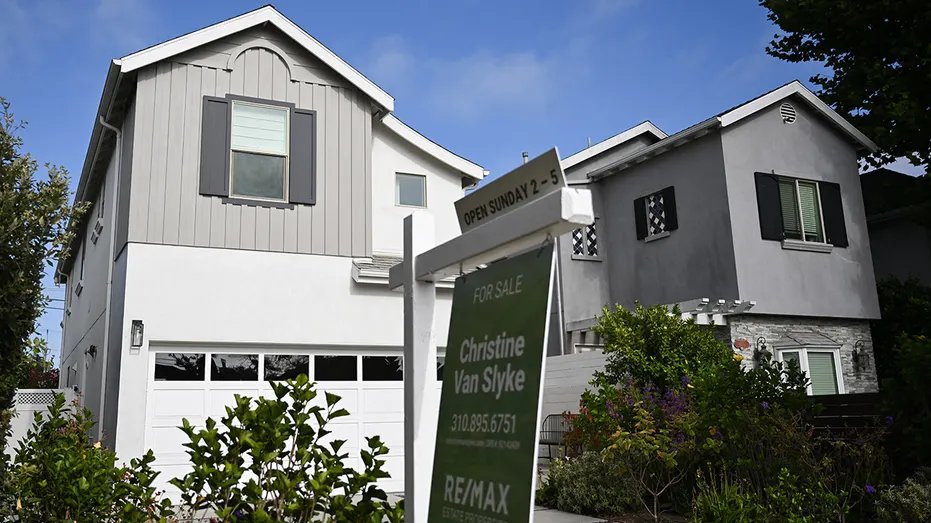
Nearly nine times more housing units have been built farther from transit stations than near them over the past two decades, according to Urban Institute data. (Patrick T. Fallon/AFP via Getty Images)
Get FOX Business on the go by clicking here
That trend turned in the 1990s, and neighborhoods near stations that opened between 2000 and 2009 saw housing growth that by 2019 was about eight percentage points higher than similar neighborhoods without transit access, according to the analysis.
However, this improvement has not kept pace with overall population and housing demand, according to a Realtor.com report. From 2000 to 2019, urban areas with transit stations added 2 million units, while areas without stations added 17.6 million, according to the report. This means that most supplies are still being built in car-dependent areas.
Don’t miss more hot News like this! Click here to discover the latest in Business news!
2026-01-19 20:22:00