Why James J. Corbett Never Won The Crowd
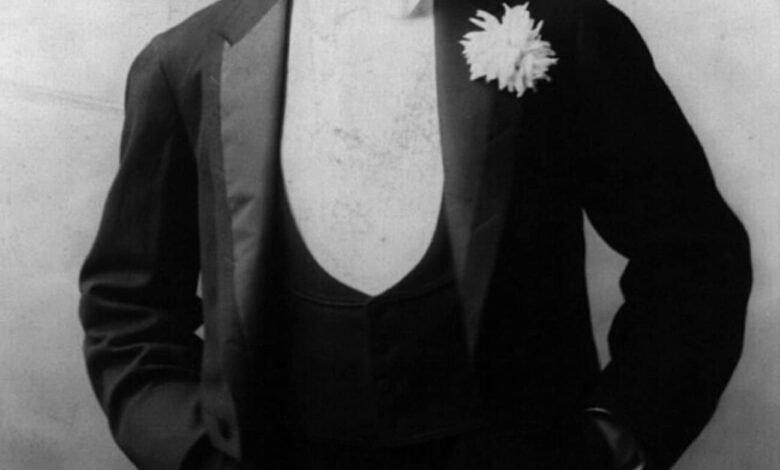
The criticism he faced for his hit-and-don’t-get-hit style predates modern debates about defensive boxing. Long before fighters like Shakur Stevenson were accused of risk aversion, Corbett was already being accused of depriving the public of what they believed the heavyweight champion owed them. Fans treated this tactic as avoidance rather than intelligence.
These feelings only hardened when he took the title from John L. Sullivan. Corbett beat the much-loved champion who embodied brute strength, endurance and excess. He crushed Sullivan round after round, turning the fight into something colder and less crowd-pleasing. The result was decisive, but many fans felt they lost something in the process.
Corbett’s style arrived before his audience, and his confidence in it left little room for compromise once dissatisfaction arose.
Corbett never repaired that relationship during his reign. He has only officially defended the title once over the course of several years, choosing instead to pursue exhibitions, theater work, and acting opportunities. For contemporary readers, this may resemble early crossover ambition. To contemporaries, it signified a hero who preferred comfort and control to risk.
His public image reinforced this view. Corbett presented himself carefully, with a manicured appearance, a pompadour, and a willingness to appear on stage and in early films. He didn’t look like the heavyweight fans expected to represent the division. To critics, he looked less like a fighter shaped by hardship and more like an actor who boxed when it suited him.
This perception shaped how his reign was read. A champion who rarely fought, relied on movement, and seemed at ease outside the ring, was judged less by skill than by what he chose not to risk.
Doubt followed him inside the ropes as well. His 1900 knockout of Kidd McCoy, which was recorded as a five-round stoppage, did not sit comfortably with observers. The circumstances of the match, McCoy’s reputation, and the surprising ending prompted speculation that the result had been arranged. No evidence ever closed the question, but doubts remained attached to Corbett’s record.
The most damaging question of his career never came to a conclusion.
Peter Jackson was the most dangerous heavyweight contender of the era and Corbett could not count him out. Their meeting in 1891 spanned sixty-one grueling rounds and ended without a decision. Neither man was finished, and neither was satisfied. When Corbett became champion the following year, Jackson expected another opportunity. He never received one.
Corbett offered practical explanations, citing limited funds and a serious discount as reasons for moving forward. On paper, those reasons made sense. In practice, they left a conspicuous absence at the heart of his reign.
Race swirled beneath every justification. The color line in boxing was real and openly enforced by champions before Corbett. Corbett did not issue the same statements, but the result was identical. Jackson remained sidelined, and an unanswered challenge followed Corbett long after his title reign had ended.
The backlash was immediate and personal. Corbett faced criticism not only from competitors and the press, but from within his own circle. Supporters even struggled to explain why the most pressing challenge of the era was left unresolved.
By the time his career was over, the arguments had hardened. Corbett had introduced a new way of fighting, but he also refused to perform rituals that many fans associated with legalism.
He won the heavyweight title by bringing the future to the ring. He never fully satisfied the expectations of his time.
Don’t miss more hot News like this! Click here to discover the latest in Sports news!
2026-01-25 22:06:00