Bank of America CEO Brian Moynihan sounds the alarm on economic impact of government shutdown
When the government shutdown began, the general consensus was that it would not be very harmful to the economy. Certainly, certain data sets will be absent. And yes, there may be a slight decline in consumer spending in some areas due to non-payment of federal salaries. But the economy will rebound more broadly.
Now that certainty is fading, with prominent economic figures warning that the nearly month-long standoff is beginning to materially damage the prospects for America’s businesses and consumers.
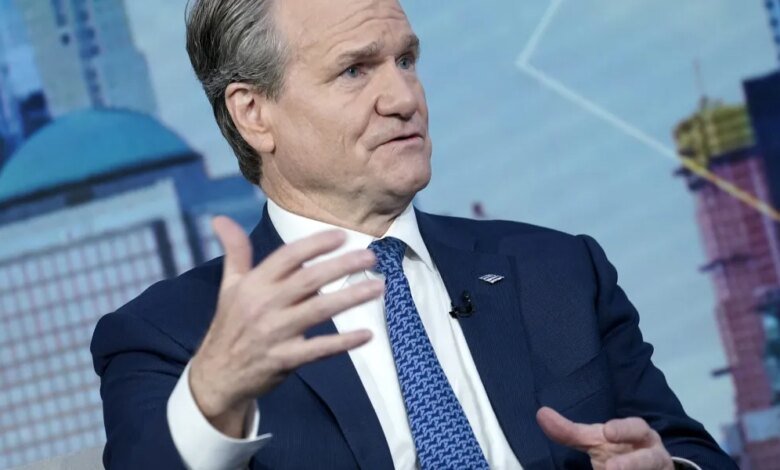
Brian Moynihan, CEO of Bank of America, is one of the voices now warning that if the government shutdown lasts longer than necessary, more serious economic consequences will have to be suffered.
“The government shutdown and the debate over the budget and everything, it’s a political process, but if you look at it from an economic perspective, ultimately it’s going to slow the economy,” Moynihan said. This is because any activity that needs government approval — whether that be SEC approvals for IPOs, jobs data, government contracts, regulatory approvals and so on — has ground to a halt, meaning private sector companies are detrimentally affected, Moynihan added.
“The idea is that it will have an impact,” he added. Moynihan continued that Bank of America and its related companies also provide banking services to 250,000 to 300,000 government employees, all of whom are now receiving services such as loan forgiveness and fee waivers due to issues related to their salaries.
“It’s a big deal, and the industry is moving forward,” Moynihan added. “The question is that as this goes on longer, it affects more parts of the economy because the activities that need approvals, that need to get things done, can’t get done, so I just hope they resolve it. And I always hope they do because at the end of the day there are a lot of discussions that need to take place about the financial situation of the United States, and I think it’s better to have it with a clear mind and you can sit and think about it without the stress of what it’s about.”
Moynihan added that widespread inactivity could lead to “malaise” across the economy: “If malaise develops and people slow down their spending, that’s a problem. If employers start saying, ‘I have to adjust headcount faster than I would otherwise,’ that’s a problem. That’s when the big issues come.”
Confidence is also tainted by the fact that promises that the lockdown will end soon have proven to be empty. White House economic adviser Kevin Hassett told CNBC on Monday, October 20, that the shutdown “will likely” end sometime that week. At the time of writing, no agreement has been reached.
The impact is limited to Washington so far
Moody’s Mark Zandi notes that so far, the fallout from the government shutdown has been largely limited to the metropolitan area because of its impact on consumers. “This is unlikely to continue for much longer,” the chief economist wrote in a note earlier this week.
In addition to the risks highlighted by Moynihan (government contracts not approved, consumers pulling back on spending), Zandi noted that at the extreme end financial markets may have to take notice: “Although it is hard to contemplate, if the lockdown extends into the Christmas buying season, hurting retailers, then financial markets will begin to discount the hit to the economy, amplifying the economic damage.”
He added that president Trump’s threat to cut furloughed workers could also hurt the outlook: “I assume any cuts will be more effective than real, but even so, based on our macro model simulations, in a scenario where the shutdown lasts through the end of the year, a recession is more likely than not.”
2025-10-30 11:10:00