Bipartisan lawmakers introduce bill requiring government AI content labels
HP CEO Enrique Loris discusses the use of AI in the company’s technology on “The Claman Countdown.”
Two bipartisan lawmakers in the House of Representatives introduced a bill Wednesday that would require federal agencies and officials to label any artificial intelligence-generated content posted using official government channels.
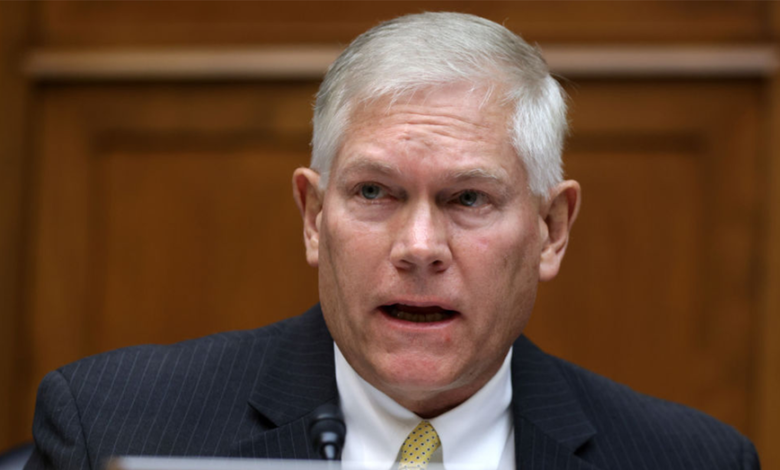
The Responsible and Ethical AI Labeling Act (REAL), proposed by Reps. Bill Foster, D-Ill., and Pete Sessions, R-Texas, would require the government to “clearly label” any AI-generated images or videos published by an agency, or any AI-generated text that is not reviewed by a human before publication, according to a press release.
The bill states that AI content must include a “clear, conspicuous and prominently displayed” disclaimer informing viewers that the content was created using AI or has been manipulated.
The disclaimer must be written in plain English and can be easily understood, according to the bill.
McDonald’s pulls ‘creepy’ AI-generated Christmas ad after viewer backlash
The Responsible and Ethical AI Labeling (REAL) Act, proposed by Reps. Bill Foster and Pete Sessions (pictured), would require the government to clearly “label” any AI-generated photos or videos posted by an agency. (Getty Images/Getty Images)
“In the age of misinformation, Americans must be able to trust that information from official government sources is legitimate and based on reality,” Foster said in a statement. “With the rapid spread of AI-generated content, there must be clear guidelines to ensure that workers in our federal agencies and in our nation’s highest office do not use AI in a way that could intentionally or unintentionally mislead the American public.”
The bill applies to the president, vice president, and officers and employees of federal agencies.
Exceptions to the proposed requirement would include content that was not intended for public release or was created for confidential purposes, as well as material that uses artificial intelligence for any “primary graphical or visual element” such as text overlay, formatting, or other minor modifications to visual media that “do not materially alter the meaning or context of the content and the content does not otherwise contain content generated or manipulated using generative artificial intelligence.”

The bill applies to the president, vice president, and officers and employees of federal agencies. (Al Drago/Bloomberg via Getty Images/Getty Images)
AI-powered text drafting programs used to enhance efficiency will also be exempt from the procedure requirements.
Sessions said the bill “brings greater transparency and accountability regarding the federal government’s use of artificial intelligence.”
“Our bill requires federal agencies and officials to clearly disclose when text, images, audio or video shared with the public in their official capacity is created or manipulated using artificial intelligence,” he said. “This legislation protects agencies’ ability to use AI internally while ensuring that anything posted publicly is clearly and consistently labeled. It is a common-sense step to maintain trust and enhance transparency in government communications.”
The Pentagon launches a military AI platform powered by Google Gemini for defense operations
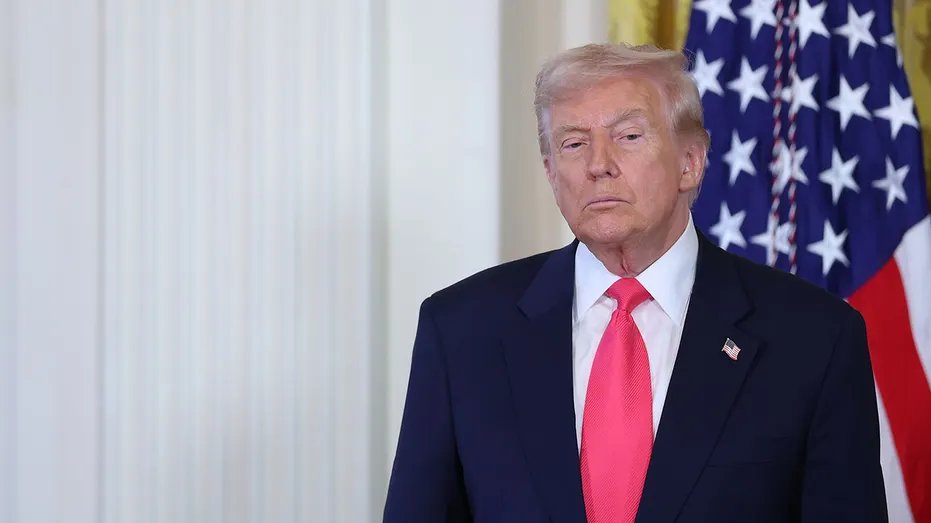
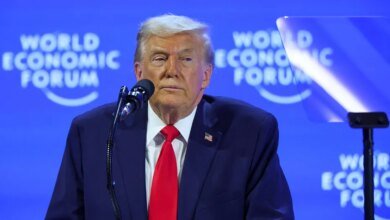
President Donald Trump and members of his administration are increasingly posting AI-generated content on social media. (Anna Moneymaker/Getty Images/Getty Images)
Get FOX Business on the go by clicking here
The bill comes as federal officials, including President Donald Trump and members of his administration, increasingly post artificial intelligence-generated content on social media.
California Governor Gavin Newsom has also shared AI-generated content online, and former New York Governor Andrew Cuomo used AI in campaign ads during his failed bid for New York City mayor.
Don’t miss more hot News like this! Click here to discover the latest in Business news!
2025-12-11 06:57:00