Chinese researchers develop high-voltage sodium–sulfur battery that could challenge lithium batteries
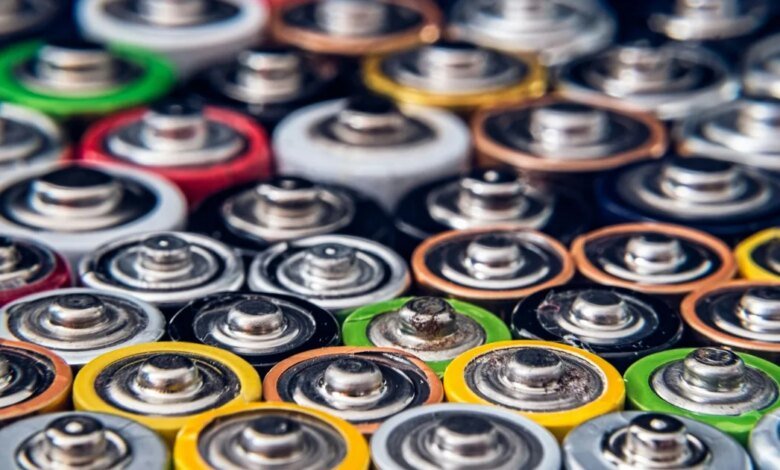
A team of researchers in China has just pulled back the curtain on a new sodium-sulfur battery design that could radically change the calculations for energy storage. By relying on the same chemistry that has historically made sulfur a nuisance to engineers, they were able to build a cell that was incredibly cheap to make but still contained an enormous amount of energy.
The design, currently being tested in the laboratory, uses inexpensive ingredients: sulfur, sodium, aluminum and a chlorine-based electrolyte. In early trials, the battery’s energy density reached more than 2,000 watt-hours per kilogram, a number that blows today’s sodium-ion batteries out of the water and even gives top-tier lithium cells a run for their money.
Sulfur has always been the “white whale” of battery technology because it can theoretically hold a large amount of energy
The problem? In standard lithium-sulfur batteries, sulfur tends to form messy chemical byproducts that mess up and kill battery life. This new approach flips the script. Instead of forcing sulfur to just accept electrons, the researchers created a system in which the sulfur actually donates them.
It works as follows: The battery uses a pure sulfur cathode and a simple piece of aluminum foil as the positive electrode. The secret sauce is the electrolyte, which is a soup of aluminum chloride, sodium and chlorine salts. When the battery discharges, the sulfur atoms at the cathode give up electrons and react with chlorine to form sulfur chlorides. Meanwhile, sodium ions pick up those electrons and deposit themselves on the aluminum foil.
This specific chemical dance avoids the decomposition problems that typically plague sulfur batteries. A porous carbon layer keeps reactive materials contained, and a fiberglass separator prevents everything from short-circuiting. It’s a complicated response, but the team has proven that it works smoothly and reversibly.
The durability stats here are impressive
The test cells survived 1,400 charge-discharge cycles before they began to lose significant capacity. Even more brutal is the lifespan: after sitting untouched for more than a year, the battery still retains 95 percent of its charge. This is big for long-term storage projects where batteries may sit idle for weeks or months.
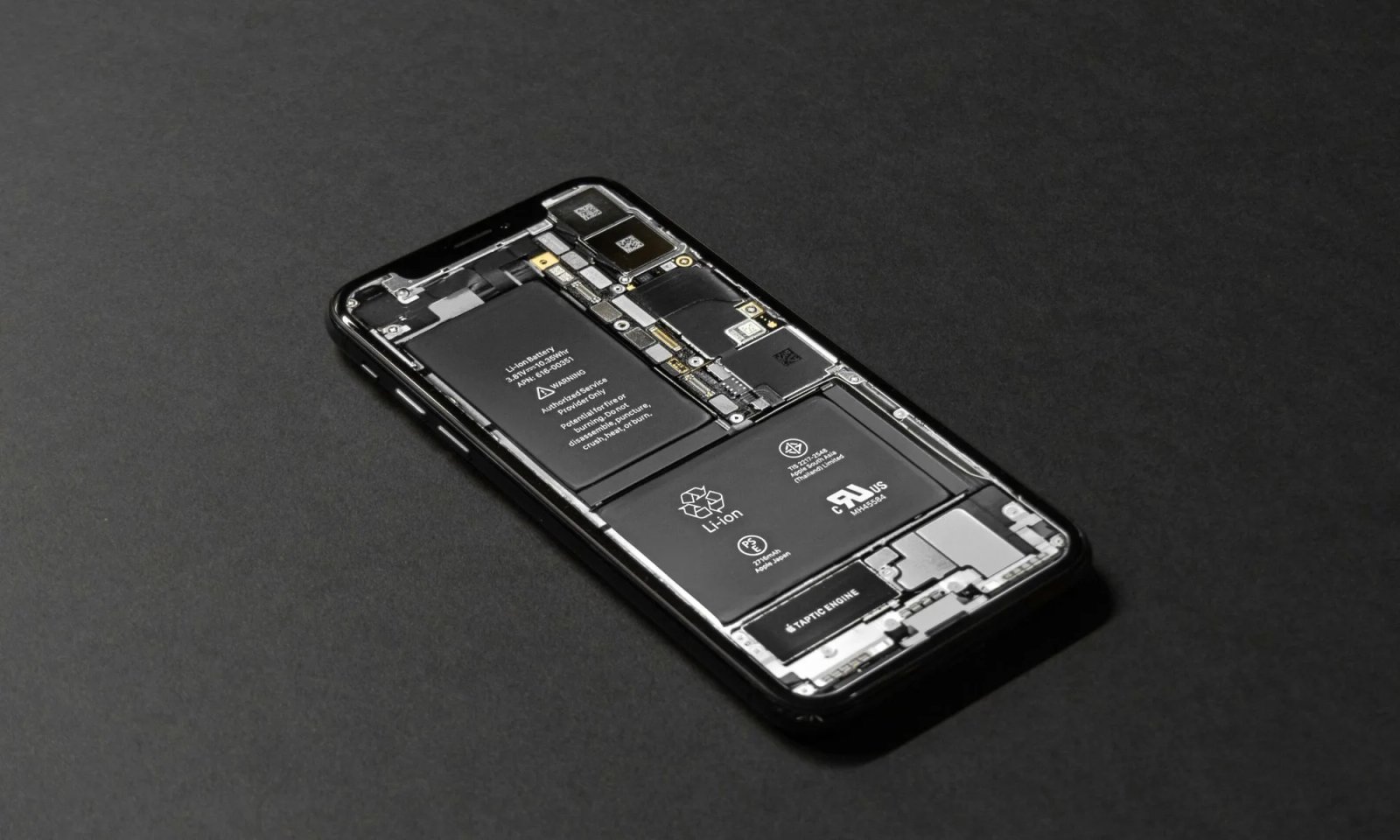
But the real bottleneck is the price. Based on the cost of raw materials, researchers estimate that such a battery could cost about $5 per kilowatt-hour. To put that into perspective, this is less than a tenth of the cost of many current sodium batteries and much cheaper than lithium-ion batteries. If they can produce this in large quantities, it could make storing renewable energy on the grid very cheap.
Of course, there is a catch. The chlorine-rich electrolyte they use is corrosive and difficult to handle safely. Also, these numbers come from laboratory tests based on the weight of the active ingredients, not a fully packed commercial cell. Getting this from the cup to the factory floor would be a massive engineering hurdle.
However, this research is a loud wake-up call. It proves that when standard materials like lithium become expensive or scarce, creativity with “unconventional” chemistry can open doors we didn’t know existed.
Don’t miss more hot News like this! Click here to discover the latest in AI news!
2026-01-11 08:41:00