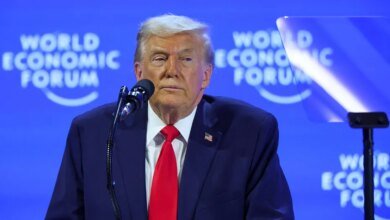
Dollar sinks as Trump’s new tariffs raise fears about U.S. debt and reserve currency status
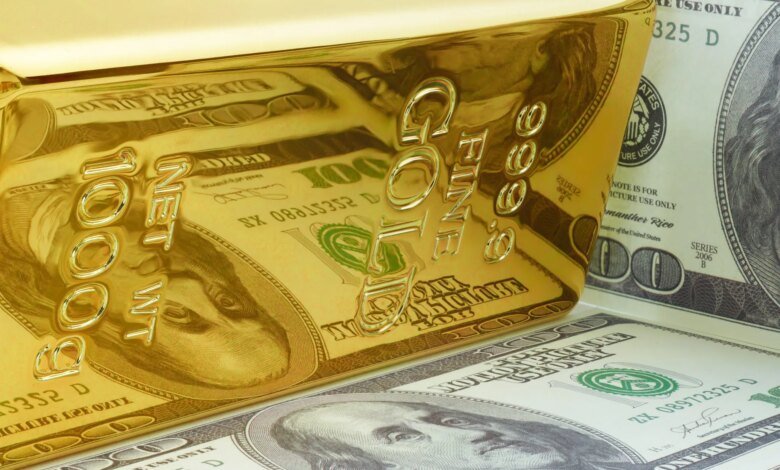
The US dollar fell while precious metals rose on Sunday as financial markets began to respond to president Donald Trump’s new tariff threats.
The dollar fell by 0.31% against the euro to $1.16, and fell by 0.32% against the yen to 157.58 yen. Meanwhile, gold rose 1.95% to a new record high of $4,684.30 an ounce. Silver jumped 5.66% to $93.53, also a new high.
Due to the Martin Luther King Jr. Day holiday on Monday, US stock and bond futures were inactive.
On Saturday, Trump said Denmark, Norway, Sweden, France, Germany, the United Kingdom, the Netherlands and Finland would be hit with 10% tariffs starting February 1, rising to 25% on June 1, until “an agreement is reached to fully and fully purchase Greenland.”
The announcement came after those countries sent troops to Greenland last week, ostensibly for training purposes, at Denmark’s request.
Trump has refused to back down from seizing Greenland, even keeping military options on the table, while the administration has also left open the possibility of purchasing the island.
Meanwhile, the European Union is examining options for retaliation, including the bloc’s anti-coercion tool, which has been described as a “trade bazooka” due to its scope and severity.
Not only do Trump’s recent tariffs pose an existential threat to the transatlantic alliance, but their repercussions could threaten the dollar’s dominance and so-called exorbitant privilege.
“The dollar’s status as a reserve currency allows us to live beyond our means,” warned Peter Schiff, chief economist and global strategist at Euro Pacific Asset Management. “Rising debt, tariffs, and military threats put this status at risk. When it is lost, economic collapse will follow.”
The European Union has significant influence over Trump, as European countries own $8 trillion worth of US bonds and stocks, nearly double what the rest of the world owns combined, according to George Saravelos, head of foreign exchange research at Deutsche Bank.
America’s weakness in global financial markets was not lost on Rep. Thomas Massie, Republican of Kentucky, who responded to Schiff’s article.
“As the dollar’s status as a reserve currency diminishes, so does our ability to tax the world by creating more money,” he wrote. “When reserve status is lost, maintaining current levels of spending and debt service will be more painful for Americans who will bear the full tax of inflation.”
Don’t miss more hot News like this! Click here to discover the latest in Business news!
2026-01-19 00:54:00