Google Lens is becoming part of Chrome’s native AI interface

Google is trying to make a major overhaul of how AI works inside Chrome, specifically by integrating Google Lens with the browser’s native AI side panel. This is now appearing in Chrome Canary, the beta playground where Google tests new features before they go mainstream.
The big shift here is that Lens isn’t just a standalone image search tool anymore. Instead, it now runs the full Chrome AI interface directly in the side panel, blending image search, page reading, and chat into one unified place.
In this new setting, activating Lens does more than just make the photo stand out. The AI panel on the right opens, giving you a chat box, suggested questions, and quick actions. And since the panel can “read” the web page you’re currently browsing, you can ask questions about the article without ever leaving the tab.
During testing, the AI handles summaries and context on the fly, keeping everything in a single thread. It also ties into Chrome’s broader AI system, meaning visual searches and chat sessions finally live on the same date, reinforcing the idea that Google wants search, visibility, and chat to feel like one continuous experience.
Why it matters and what comes next
Why it matters: This update is a clear sign that Google wants Chrome to be more than just a passive window to the web; They want it to be an active workspace. By combining Lens with “AI Mode,” they position the browser as an intelligent assistant that works alongside everything you read. It stops being a separate tool that you have to switch to and starts being an assistant that actually understands the context of your screen.
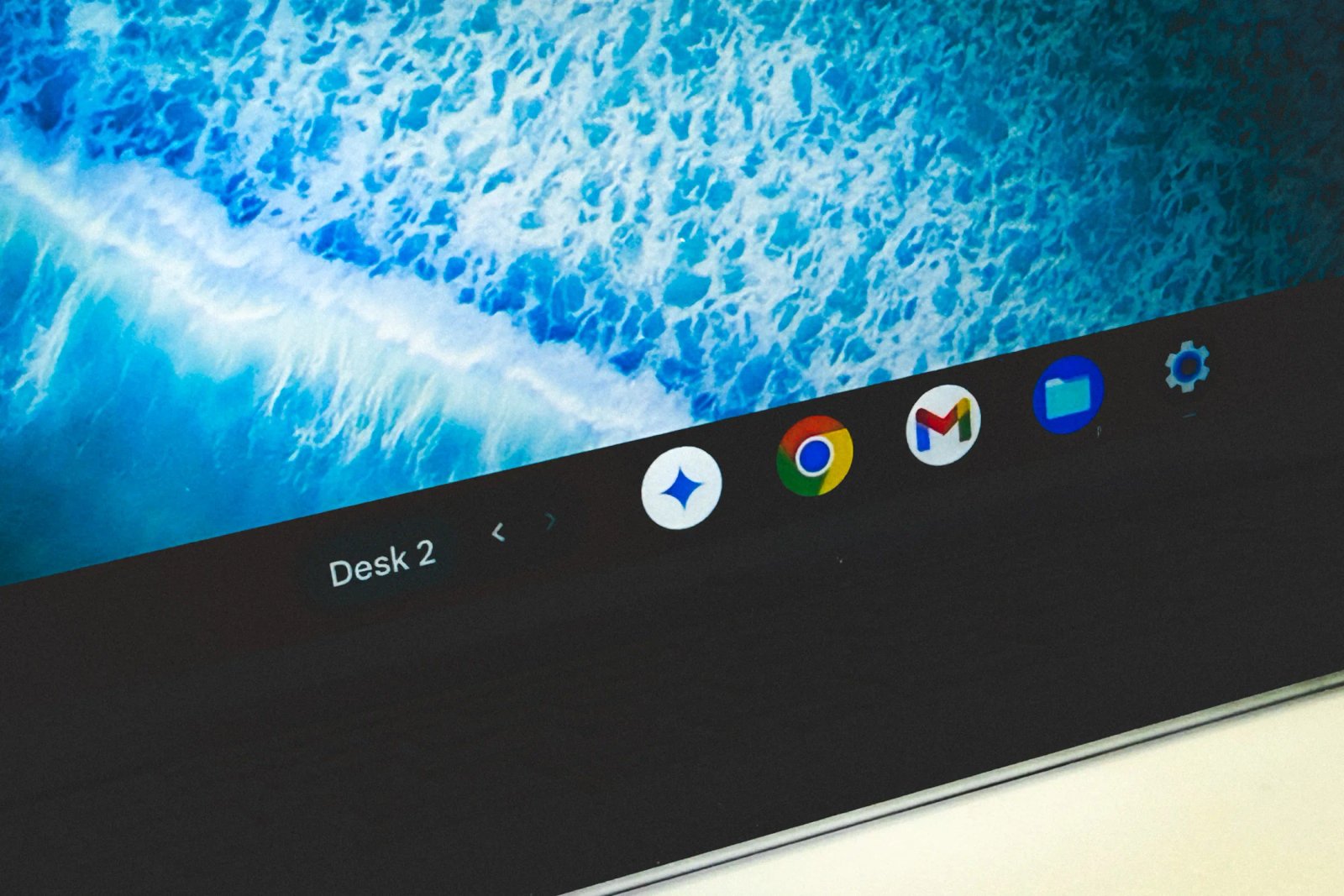
Why you should care: Ideally, this means less tab clutter and faster answers. Whether you’re down a research rabbit hole, shopping online, or reading a complex article, having an AI that can see what you see—and explain it—without forcing you to leave the page is a huge workflow upgrade. It seems like a natural step toward Google’s “assistant-first” browsing experience for Android and search.
What’s next: This is still in the “rough draft” stage in Canary, and the interface is clearly a work in progress. However, the way the side panel, address bar, and task history are linked suggests that Google is serious about building a unified AI layer across Chrome. If it survives the test, this lens-powered panel could radically change the pace of how we search and read on the web.
Don’t miss more hot News like this! Click here to discover the latest in AI news!
2025-12-15 05:23:00