IndiGo’s vacated slots are struggling to attract takers despite govt push. Here’s why
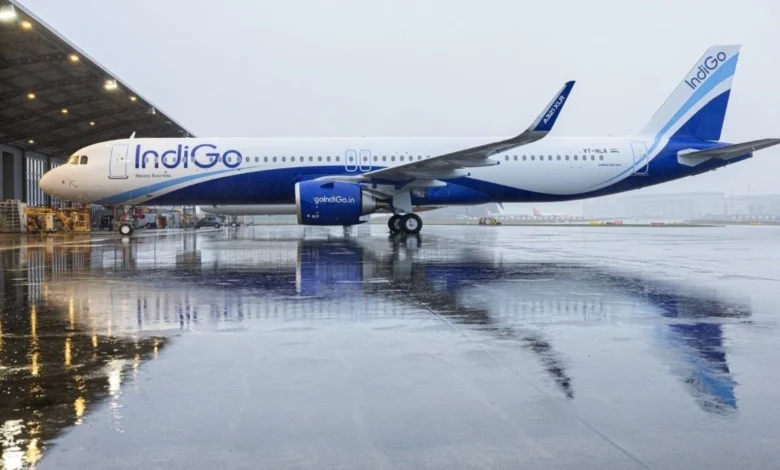
The Ministry of Civil Aviation has directed airlines to apply for slots vacated by IndiGo after the airline’s winter schedule was reduced due to severe disruptions in December 2025. The move aims to reallocate capacity and maintain stability in domestic air travel, but initial comments indicate limited interest from airlines in the slots on offer.
IndiGo, India’s largest airline with over 2,000 daily flights, canceled 2,507 flights and postponed 1,852 flights between December 3 and 5, 2025, affecting more than 300,000 passengers. The Directorate General of Civil Aviation (DGCA) responded by imposing a 10 per cent cut on IndiGo’s winter schedule, freeing up several operating slots for reassignment.
The committee to reallocate these places met on January 13 to develop the principles of reallocation. The committee asked interested airlines to submit applications and preferences for available slots, with conditions such as not stopping existing routes to use vacated routes.
Requests must be routed through airport operators, with final allocation decisions made by the authorities. However, the industry response has been muted.
“Nobody (airline) wants to take away their (IndiGo) slots. They are not leaving anything except red-eye flights, which nobody wants to do. At most, they are leaving one flight from a terminal where they have six flights. Nobody, in fact, is interested in junk jobs,” an airline executive told PTI.
IndiGo’s operational problems have led to regulatory scrutiny. On January 17, the DGCA announced fines totaling Rs 22.20 crore over the disturbances and issued warnings to CEO Peter Elbers and two senior executives. The regulator has also demanded a bank guarantee of Rs 50 lakh crore from IndiGo for long-term systemic improvements.
The DGCA attributed the disturbances to inadequate crew management, inadequate organizational preparedness, and deficiencies in system and operational control software.
The watchdog said: “The airline’s planning processes did not adequately identify operational deficiencies or maintain sufficient operational buffers. There was too much focus on maximizing the utilization of crew, aircraft and network resources, which resulted in a reduction in existing reserve margins.”
It also noted that “crew rosters were designed to operate within permissible duty periods, with increased reliance on dead heads, tail swaps, extended service patterns, and minimal recovery margins. This compromised roster integrity and operational flexibility and negatively impacted the implementation of the revised FTA provisions.”
IndiGo reported a 78% decline in profits, totaling INR 549.1 crore for the quarter ended December 2025, citing higher expenses, labor law changes and currency fluctuations as contributing factors.
2026-01-23 05:09:00