Inflation is so bad Americans are counting on Black Friday just to afford groceries and everyday essentials

The holiday season is quickly approaching, and so is the biggest shopping season of the year. There are only 23 days left until Black Friday, a day synonymous with bargain hunting and a widespread shop-until-you-drop attitude among consumers.
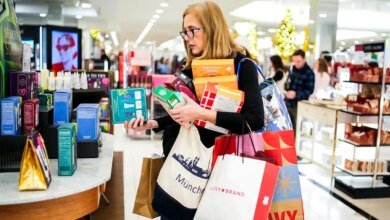
A new survey shows that Black Friday will look a little different this year. Instead of taking advantage of discounts on big TVs and luxury appliances, consumers this year are just trying to get by. Spending priorities are shifting as inflation hits consumers hard in 2025, with one in four consumers saying they plan to use Black Friday only for everyday essentials like groceries, toiletries and household essentials, according to survey results from point-of-sale and payments platform Lightspeed.
“Black Friday remains a defining moment for retailers, but shopper behavior is changing,” Dax DaSilva, founder and CEO of Lightspeed Commerce, said in a statement. “Shoppers remain under pressure from rising costs of living, so fairness, transparency and empathy are more important than ever.”
Lightspeed surveyed 3,000 adults in the U.S. and Canada for the study, and found that nearly half of respondents said they plan to split spending between essentials and premium purchases.
Although President Donald Trump claims to have “beaten” inflation, claiming in September at the United Nations General Assembly that grocery prices have fallen, there is not much evidence of this. “Inflation, although still fairly high, has come down from its post-pandemic highs,” Federal Reserve Chair Jerome Powell said during a high-level speech in August just before the first rate cut of the year.
But other industry experts and economists say grocery prices may continue to rise, perhaps even double. Raymond Robertson, a labor economist at Texas A&M University’s Bush School of government who has advised US agencies on trade and labor policy, recently said: luckEva Roitberg A wave of grocery price increases is likely to hit this winter. Product prices are also expected to jump from 50% to 100% by early next year.
“It’s like when you see a flood coming, a tsunami coming, and the water level rises two inches,” he said.
Last spring, Walmart CEO Doug McMillon said customers were exhibiting “stressed behaviors.” This was the same time period in which consumer confidence reached a 12-year low. “You can see that the money runs out before the month is over, and you can see that people are buying smaller package sizes at the end of the month,” McMillon said.
But what should be more troubling for retailers is the discovery that consumers don’t really trust that most Black Friday discounts are authentic.
Lightspeed survey shows that 84% of shoppers believe retailers inflate prices before sales to amplify discounts. This is somewhat reminiscent of when, earlier this fall, Target and Walmart employees alleged that the retailer forced them to remove price tags to make it easier to change prices based on tariffs.
“Consumers buy quickly and decide later, so it’s up to retailers to guide that journey,” Lightspeed’s DaSilva said. “The best way to do that is clarity — showing what discounts really mean, being upfront about fit and product details, and keeping customers informed about delivery and inventory.” “When shoppers feel confident, they buy smarter and return less often. In a tight economy, transparency is retailers’ most powerful sales strategy.”
Don’t miss more hot News like this! Click here to discover the latest in Business news!
2025-11-05 18:58:00