‘Our eggs are absolutely safe for consumption’: Eggoz allays viral cancer claims
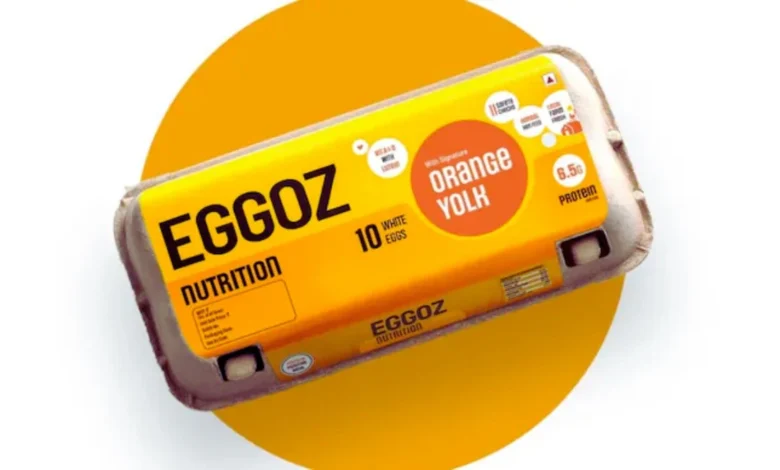
Eggoz nutrition, a popular egg brand, is currently embroiled in a soup after claims regarding eggs causing cancer were made by a YouTuber this week. However, the brand was quick to issue a clarification on social media, saying its eggs are “completely safe” for consumption.
The whole kerfuffle started when a YouTube channel known as Trustified released a report claiming that egg samples from Eggoz tested positive for AOZ, a metabolite of the banned antibiotic Nitrofuran. The result, according to Trustified, was 0.73 parts per billion, which was enough to cast doubt on the brand’s “100% antibiotic-free” promise.
Read Eggoz’s full statement here
In another statement, the brand said its value chain includes ensuring that antibiotics are not used along with sourcing, storing, transporting and delivering high-quality feed, in line with established food safety practices.
What is nitrofuran?
Nitrofurans are synthetic broad-spectrum antibiotics that have been widely used in poultry, pigs, shrimp, and other livestock. Their use has been banned because they rapidly convert to AOZ, AMOZ, AHD, and SEM, which can be detected for weeks. The chemical is also banned from being used in poultry farming due to its potential links to cancer.
Social media reactions
Trustified’s claim went viral on social media in no time, with netizens claiming that the Food Safety and Standards Authority of India (FSSAI) has been caught over the issue.
One user commented on
Another user wrote: “Dangerous carcinogens have been found in IITian owned Eggoz. These are premium eggs and their price is double the price of regular eggs. Every food company is playing with our lives because they know nothing will happen to them. They can just bribe @fssaiindia and get away with it.”
Meanwhile, orthopedic surgeon and content creator Dr Manan Vora admitted that the results were shocking for a brand that claims to be “100 per cent antibiotic free”, but said consumers need not panic.
He explained that the levels of the chemical detected were very low and did not pose an acute threat to health overnight. Furthermore, Dr. Vora said the real problem was not the direct toxicity, but rather the breach of trust and how the chemicals entered the food chain at all.
Don’t miss more hot News like this! Click here to discover the latest in Business news!
2025-12-11 08:48:00