‘We need at least 5 carriers to avoid monopoly, duopoly’: Civil Aviation minister after IndiGo flight chaos
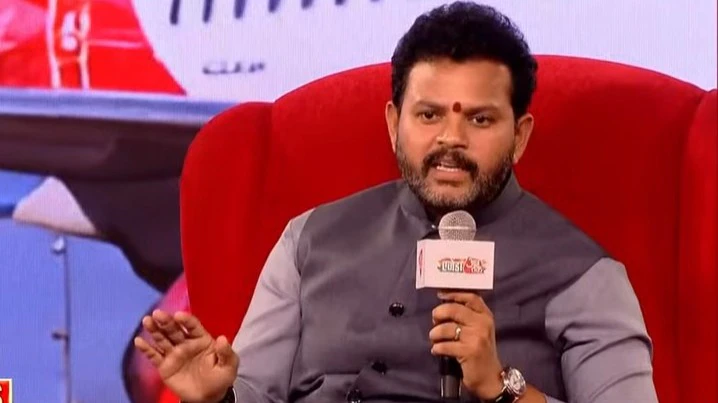
Amid the collapse of IndiGo since the beginning of this month, Civil Aviation Minister K. Ram Mohan Naidu said on Thursday that for a more balanced aviation sector, there should be at least five airlines, each with a fleet of about 100 aircraft, to protect against over-reliance on a small number of operators. This intervention comes in the wake of significant operational issues at IndiGo, which have led to widespread disruption of passenger traffic and sparked a comprehensive government review of industry practices.
The minister said: “We need at least five airlines, each with about 100 aircraft, so that the country does not depend on one or two carriers. This is necessary to avoid monopoly and duopoly.”
Naidu said the disruption that left thousands of passengers stranded was caused by serious internal lapses at IndiGo, citing a glitch in the crew list and other operational malfunctions. In a conversation with India Today’s Rajdeep Sardesai on Agenda Aaj Tak, he asserted that the airline alone was responsible for the collapse of its network.
He also pointed out that although the government has been in constant communication with the carrier, IndiGo’s top management is yet to respond to several important questions. “The IndiGo chief did not respond to several issues raised in his video on Wednesday,” Naidu noted, indicating the Centre’s dissatisfaction with the explanations given so far.
He added that the government is examining all dimensions of the crisis – including alleged price increases by airlines – after ticket prices on alternative flights rose during the IndiGo service disruption.
Naidu said that the ministry is actively evaluating the issue of price hike. “Analyzing every aspect of the crisis, including price manipulation by airlines,” he said, after replacement ticket prices rose sharply during operational shortcomings.
On the issue of regulatory intervention, he noted that the government should carefully assess the situation before setting a price cap, as immediate action requires understanding the full extent of the impact of the disruption.
Responding to criticism that the government was late in setting a cap on air ticket prices, by nearly 48 hours, Naidu said the ministry first needed to conduct a comprehensive assessment of the situation before taking any action. On whether the government has the authority to dismiss the CEO of a private airline, Naidu admitted that there were legal and procedural limitations, but warned that action could not be ruled out if major failures were discovered.
Government action
After IndiGo canceled over 5,000 flights last week, the Center ordered the airline to reduce its schedule by 10%, raising concerns among travelers over a possible hike in air ticket prices. However, industry reports indicate that the move is unlikely to significantly raise domestic ticket prices. The effective reduction applies to only about 70 domestic flights that currently have tickets on sale, meaning passengers may not feel much price pressure. The biggest setback is for IndiGo itself – its expansion plans for the winter season will slow down, as the airline is no longer able to roll out as many new routes as it had planned. Importantly, IndiGo’s approximately 190 daily international flights remain unchanged.
For the winter schedule, the DGCA has allowed IndiGo to operate 2,145 domestic flights daily. With the forced 10% reduction, the maximum drops to approximately 1,930 trips. But since IndiGo had already been operating just over 2,000 daily flights since November, the real-world impact has been limited, amounting to about 70 flight cancellations.
Don’t miss more hot News like this! Click here to discover the latest in Business news!
2025-12-11 12:41:00